

Oct. 1, 2026: OBWB warns Okanagan water scarcity challenges will persist through winter and get worse in 2027
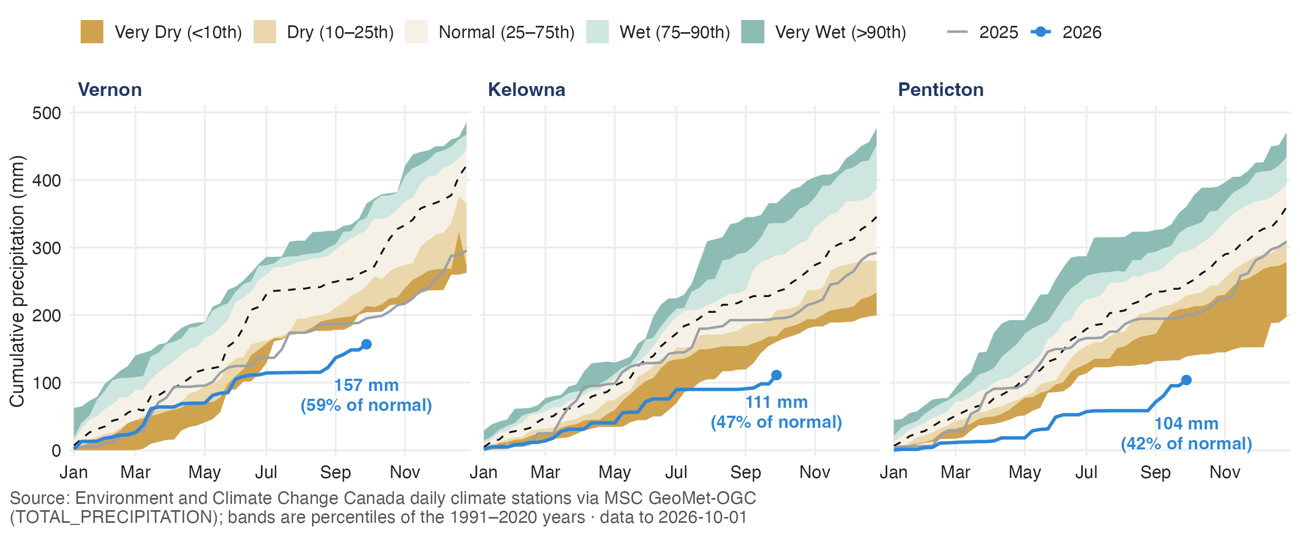
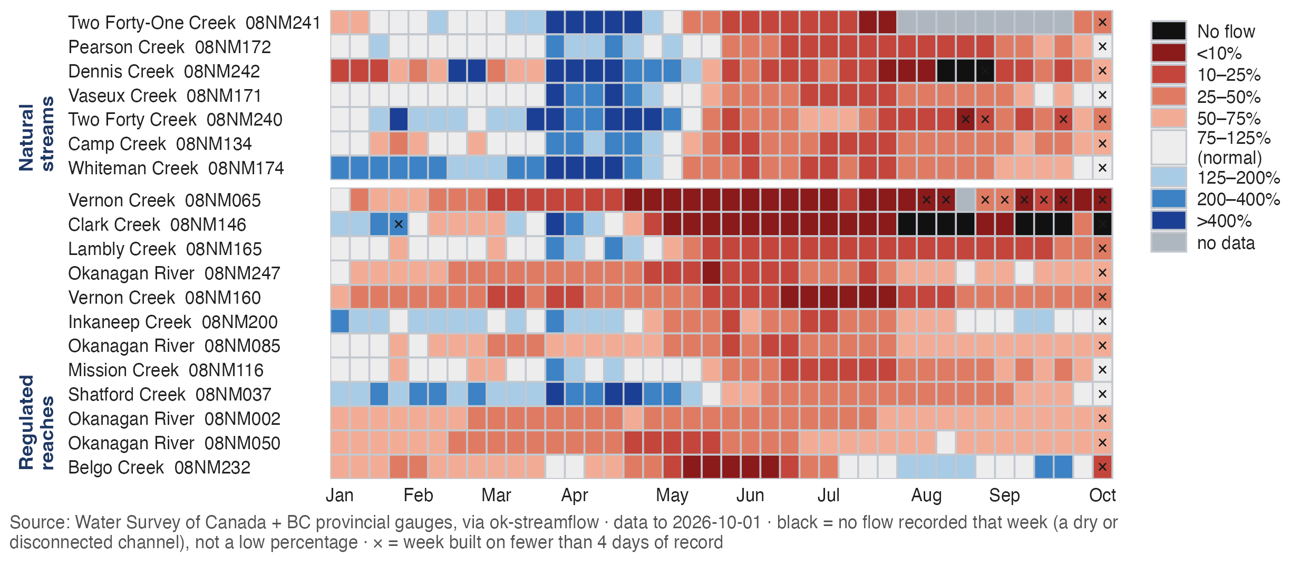
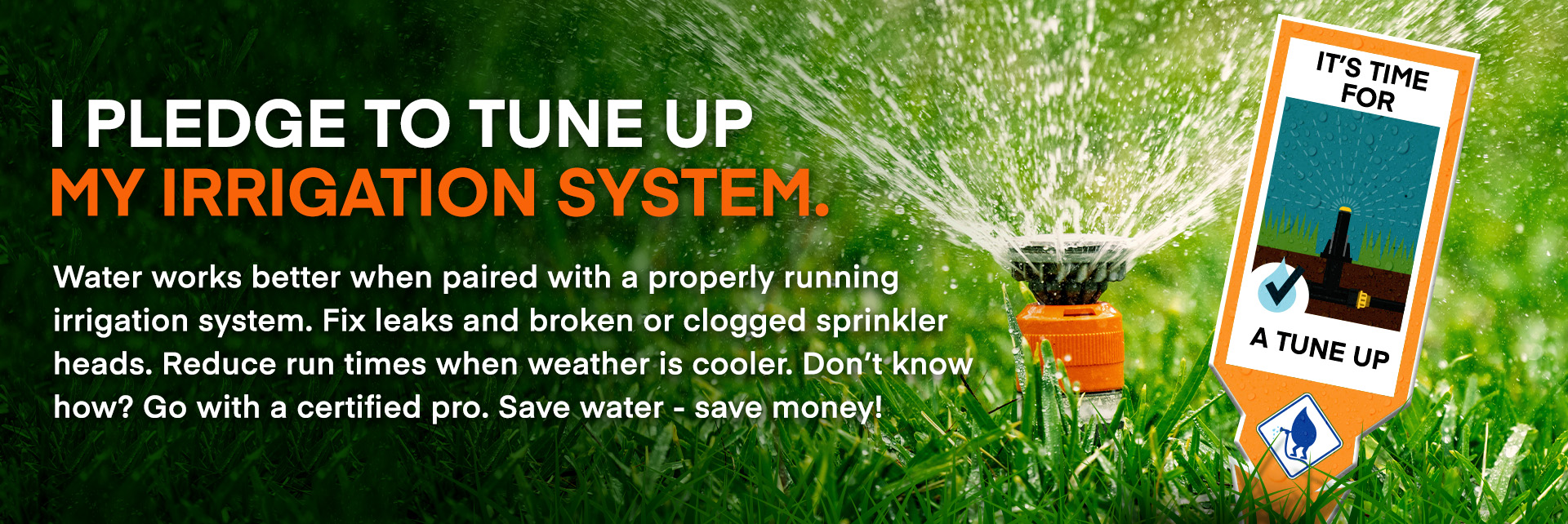
The Okanagan Basin Water Board (OBWB) is warning in its latest Drought Report that drought conditions remain severe across the Okanagan, with multiple indicators continuing to show sustained water stress. September rains improved streamflow and temperature conditions but did not materially replenish storage in lake levels or groundwater levels. Despite the rain, the basin remains vulnerable through the remainder of the irrigation season and will remain vulnerable well into the next year. Continued water conservation and close monitoring this winter are warranted.
Residents are encouraged to continue using water carefully and to follow the restrictions and conservation guidance of their local water supplier. Water restrictions should be viewed as a minimum, and residents who are able to reduce their water use further are encouraged to do so to help protect the region’s limited water supplies as the Okanagan heads into the fall and winter recharge season.
Remember: Your local water supplier knows best what’s needed to keep water flowing for homes, food, fish, and firefighting right where you are.
Okanagan Water Facts
There is less water available per person in the Okanagan than anywhere else in Canada.
The Okanagan has one of the highest rates of water use per person in Canada.

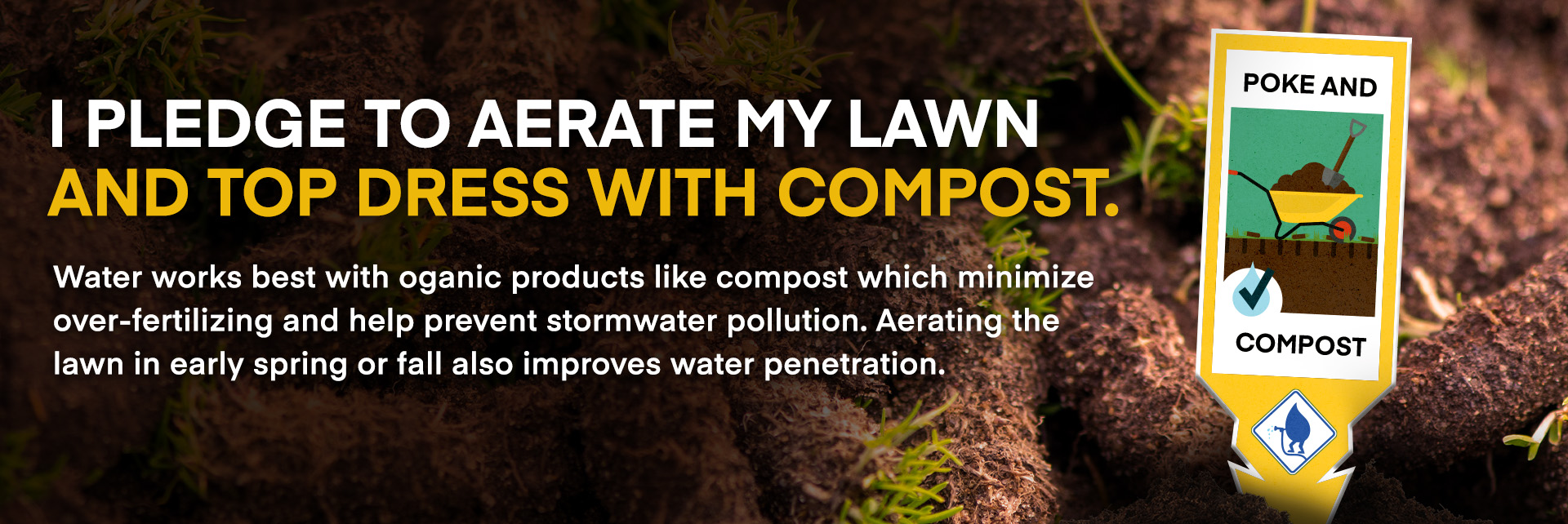
The second largest use of water in the Okanagan is used on our household lawns & gardens.
The Okanagan is on the front lines of climate change, shifting between flooding and drought, and extreme fire seasons.
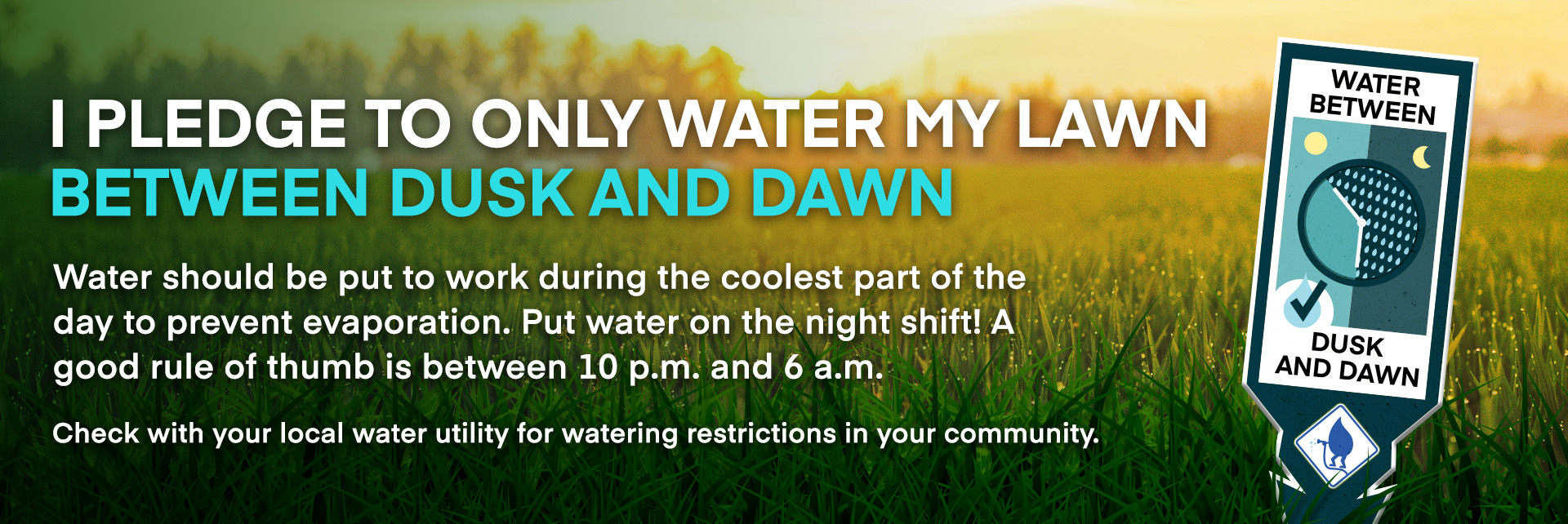
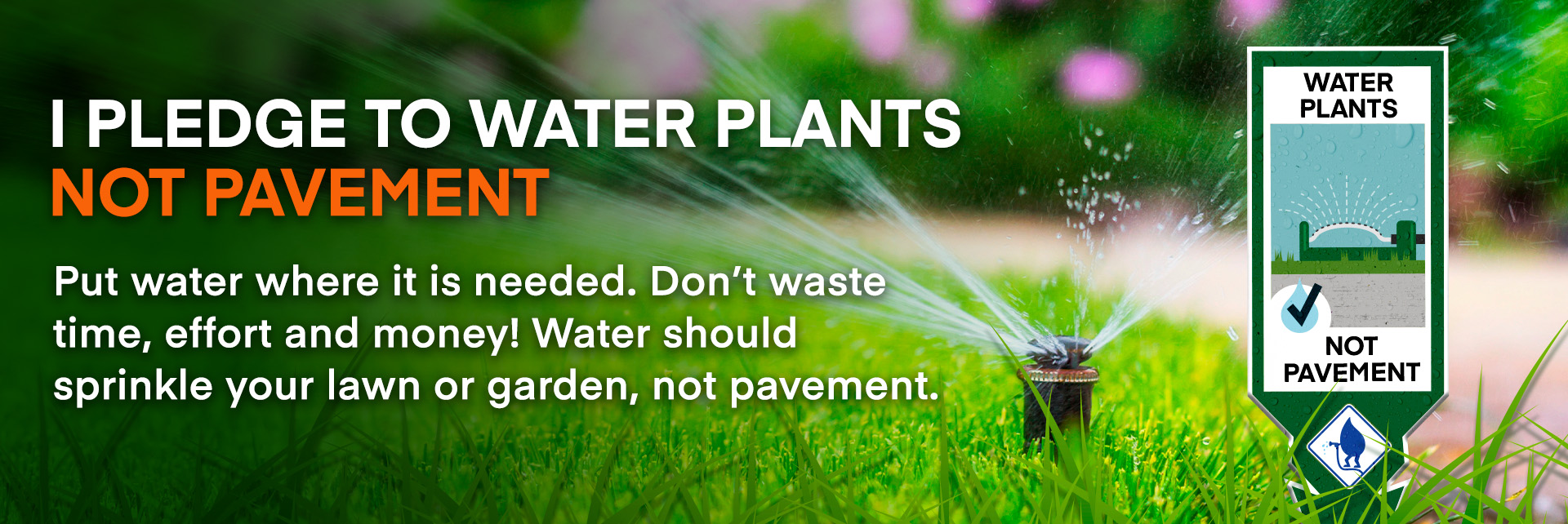
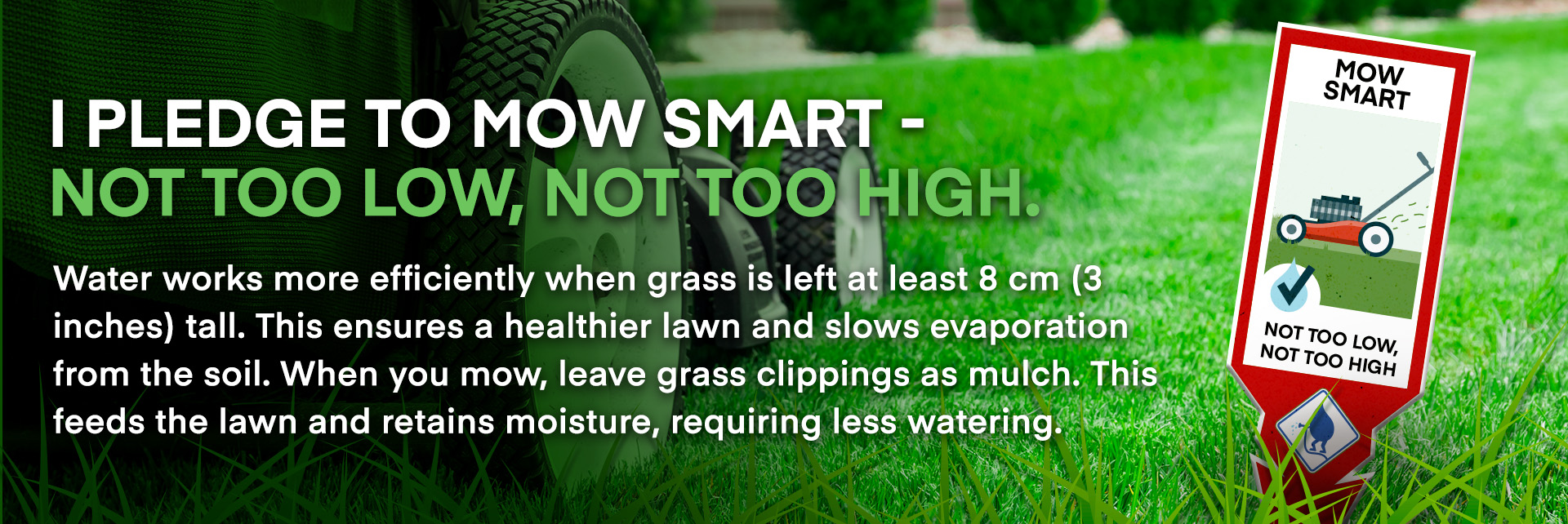
As we work to find solutions to these climate events, Make Water Work is aimed at preparing Okanagan residents with resilient landscapes that can handle wet and dry years, and help ensure a sustainable water supply for our valley.
Ready to test your Okanagan water IQ and find tips to
Make Water Work Smarter in your yard?
If you water your yard… make water work smarter!
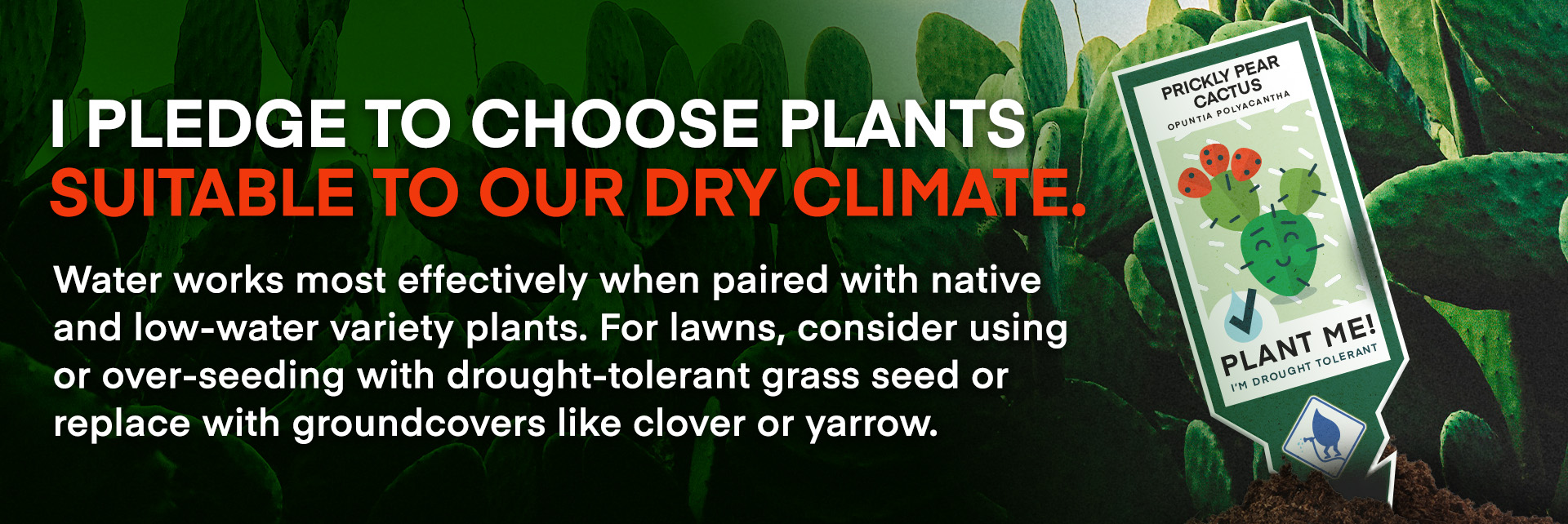
XERISCAPE, NOT ZERO-SCAPE
There are many beautiful plants that thrive in our dry Okanagan climate! For a full list, check here!